60-Second Summary
B2B customer lifecycle marketing means adapting messaging, channels, and offers as buyers move from first impression to repeat purchase. Effective programs use data, segmentation, and automation to deliver personalized experiences that improve conversion and retention.
Key takeaways: Personalization across lifecycle stages is critical (93% of marketers report better outcomes); customers have evolving needs, so stage-specific messaging and channels increase relevance and conversion.
Standout strategies & tactics: Use targeted awareness (SEO, paid social), de-anonymize visitors with behavioral data, automate lifecycle emails, and employ timely upsell/cross-sell at purchase windows.
Real-world lessons & frameworks: Follow a stage model (first impression → anonymous visitor → subscriber → purchaser → previous customer), treat "deal won" as relationship start, and align content/tools to each stage.
Implementation tips: Invest in CRM, segmentation, and automation to deliver timely, role-aware communications; measure intent and retention metrics and iterate continually.
*This summary was created with AI assistance, using our original content.
Various strategies appeal to different customer bases, demonstrating the range of tools and techniques available. Traditionally, marketing focuses on targeting customers and advertising your products to them on the platforms they use. However, what makes a customer today has changed, and it now includes people from multiple types.
Everyone who interacts with your business has different needs and preferences, requiring a personalized marketing approach. In fact, 93% of marketers report that personalization improves lead conversion or purchase outcomes. Furthermore, it’s often the same customers who, throughout their journey with your brand, look for different things in your B2B marketing strategy.
Targeting your marketing to these customers and adapting it throughout their journey can be challenging, which is why B2B customer lifecycle marketing needs to be the best it can be.
What is customer lifecycle marketing in B2B?
Over time, you have more contact with individual customers and build a relationship between them and your brand. B2B customer lifecycle marketing is the practice of building this relationship by adapting messaging, channels, and offers based on where a buyer is in their journey — from first touch to repeat purchase and retention.
The customer lifecycle begins with their first impression of your business and extends beyond making a purchase, potentially lasting for years depending on your ability to retain their interest in your brand and products.
Various models of the marketing customer lifecycle emphasize different stages, and the customer needs at each. Whatever customer lifecycle marketing examples you take inspiration from, the idea is to recognize how your marketing needs to adapt to your customers and how it can best support them at every stage of their relationship with your business.
This requires different techniques and an understanding of their evolving perspective to harness this in your marketing.
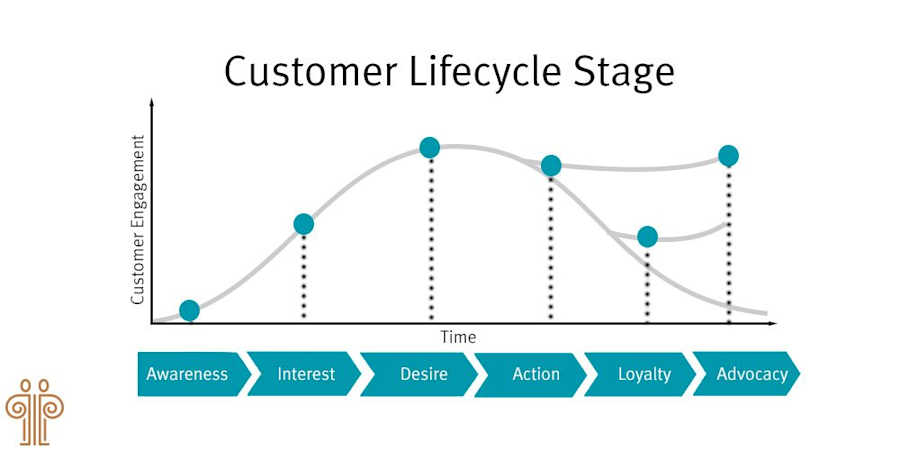
Customer lifecycle marketing stages and how to market to each one
Your marketing strategies and focuses should vary as customers go through their lifecycle. Using VoIP (voice over internet protocol) calls to create impressions and raise awareness isn’t going to work as well as it might with existing customers or those already interested in purchasing.
Dividing your marketing strategy by customer stage makes it more targeted, focusing on the relationship between your business and customers.
1. First impressions
The first stage of customers your business interacts with is your potential customers and B2B clients. With these customers, you are raising awareness of your business and making a first impression.
Your potential customers are still strangers to your business, unfamiliar with your services, values, and how it operates. At this point, they are showing no desire to work with your business or buy your products.
With first impressions, your marketing goal is to introduce potential customers to your brand, convincing them to spend more time engaging with your content and following your updates. To reach potential customers, your marketing needs to expand into new spaces through search engine ads, guest posting on other business blogs, or paid social media advertising.
This presents your brand to potential customers and attracts them to your channels and platforms.
2. Anonymous visitors
While still relatively new to your brand, anonymous visitors have shown some engagement with your channels, though they have not made an obvious commitment to follow your business. Perhaps there’s still some work to be done to introduce these viewers to the content and products relevant to them and their business needs.
Often, anonymous visitors are seen as interested viewers of your website and social media profiles, but they leave without interacting much.
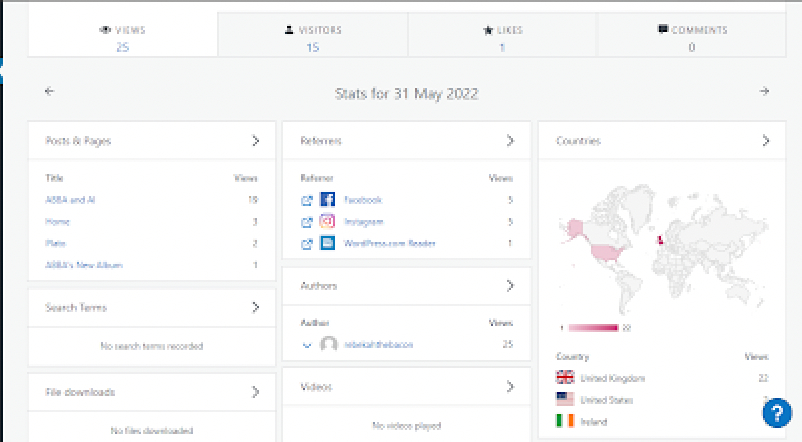
By collecting data on their browsing history, you can start targeting them with more personalized ads, making them less anonymous and recommending more relevant products. Similarly, by segmenting these interested viewers into customer personas, you can gain insight into why they are interested in your business and how to act on it.
It’s also important to highlight how your products meet the needs of their roles in their business.
3. Subscribers
Although not necessarily having purchased, subscribers have shown interest in your brand and have made some effort to stay connected to it. It could be through following your brand profile on social media, signing up for an email newsletter, or interacting with your online content.
Through these channels, you can reach out to subscribers more directly, using customer lifecycle marketing automation to start a conversation about how your products can meet their business needs.
At this point, you may want to look at phone systems for small business options to engage subscribers in conversations with your sales teams. It can help to address their needs individually, understand their budget, and start creating solutions tailored to their situation.
Having these conversations can build one-on-one relationships with customers, convince them to purchase, and ensure they buy the right product for them.
4. Purchasers
When interacting with purchasers, there’s a key window of opportunity for your marketing to increase your average order size through upselling and cross-selling. This group of customers has already decided to purchase by adding products to the online cart or making arrangements with your sales team.
They no longer need convincing to engage with your brand, but could be persuaded to add to their purchase.
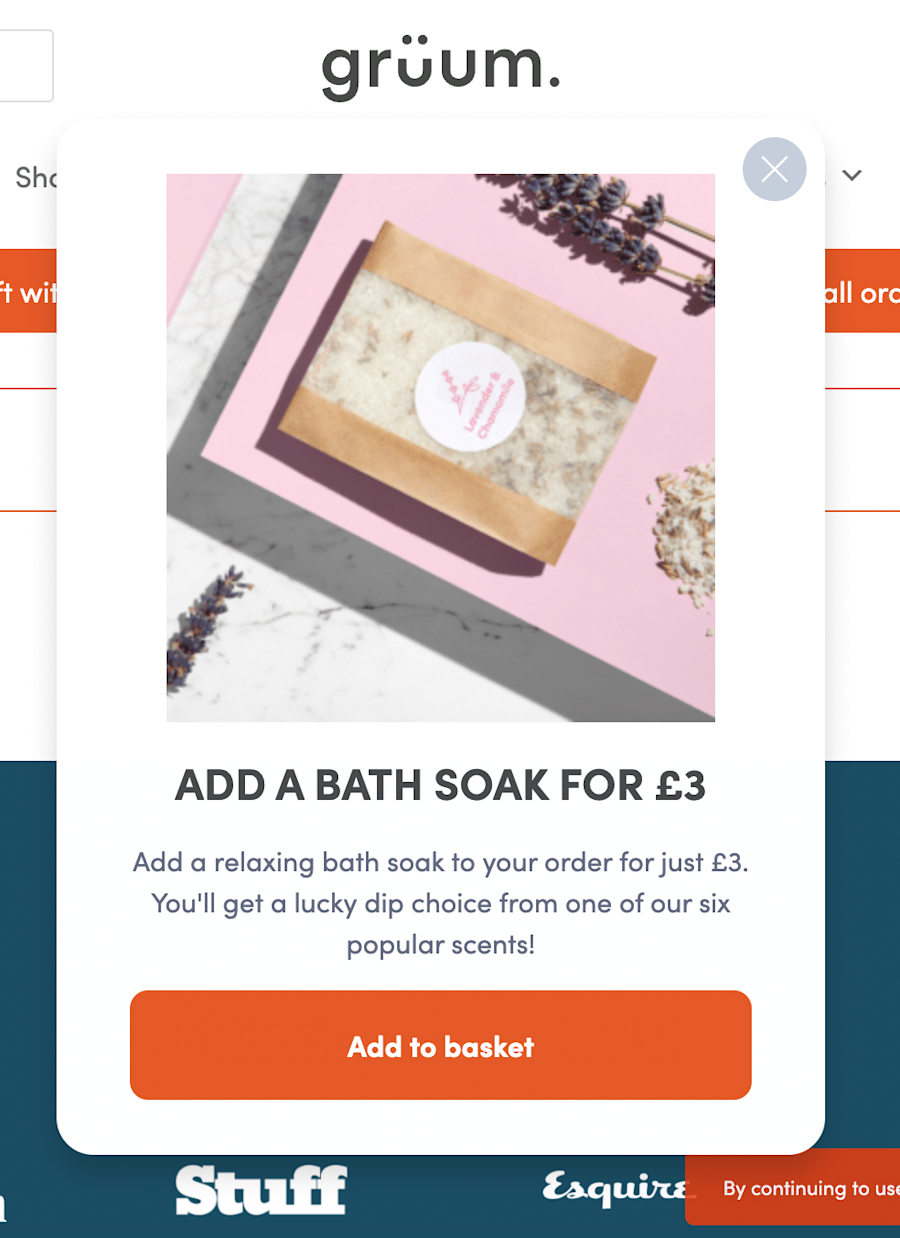
Recommending similar items, bundles, or different versions of the products they have added to their cart using B2B cross-selling and upselling tactics can convince purchasers to buy more. Done well, this anticipates your customer's other needs and their business, using your products to meet them too.
Even if the purchaser doesn’t immediately add these products to their basket, it raises awareness of the other return options available to them.
5. Previous Customers
Just because a customer has purchased before doesn’t mean you can ignore them with your marketing. Previous customers offer the opportunity to make repeat sales and secure their loyalty to your business.
As Andrei Zinkevich, co-founder of Fullfunnel.io, puts it: "If you look at any CRM setup, the last stage is deal won, deal lost. This is where the relationship actually starts." After they’ve bought from your business, your marketing should continue building that relationship, retaining their interest, and alerting them to new products or services that would be useful to their business needs.
Keep in contact with previous customers by recommending your email newsletter, sending them product updates, and asking them to complete feedback forms. It gives you the chance to reflect on the customer experience and make improvements to ensure it’s always positive while showing this progress to your previous customers.
It also shows that you value your customers' opinions and use them to inform your business decisions.
How Is Your B2B Customer Lifecycle Marketing Strategy Working?
Engaging your B2B customers isn’t a one-time thing. It’s a process of constant adjustment and seeking to market to their specific circumstances. The more you want to retain your customers and build a loyal relationship with them, the more effort you need to put into targeted advertising throughout the customer lifecycle.
One of the clearest benefits of customer lifecycle marketing is that it shows your commitment to your customers and recognizes that customers' responses vary at different stages.
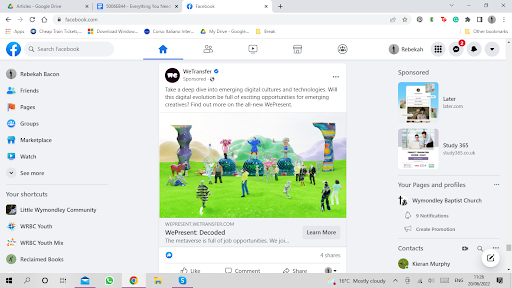
By dividing your marketing strategy by customer lifecycle stages, you can more effectively reach them and choose the content and marketing tools that deliver the most relevant results. Consider how you use different platforms and the types of marketing you create.
How well these are received will depend on the stage your customers are at and how your marketing aligns with their specific needs and preferences.