

60-Second Summary
Visitor intent separates wasted outreach from meaningful engagement. This article explains how first-party web visitor intent data helps you prioritize accounts, time outreach, and turn site traffic into pipeline.
Key takeaways: First-party intent is best for personalized outreach and retention, third-party helps discover new prospects, and a hybrid approach yields the most complete view to improve targeting, timing, and ROI.
Standout strategies & tactics: Segment visitors by intent (hot/warm/cold), define high-intent signals, set real-time alerts, sync visitor data to your CRM, and craft behavior-driven, timely outreach for hottest leads.
Real-world lessons & frameworks: Define and test intent markers, use A/B testing to refine outreach, apply intent for upsell/renewals/reactivation, and align sales and marketing around prioritized, high-intent accounts.
Tools & operational tactics: Use a tool like Leadfeeder to build custom filtered feeds, trigger Slack/email alerts, and integrate with CRMs so anonymous visitor intent becomes actionable outreach and pipeline activity.
*This summary was created with AI assistance, using our original content.
At Leadfeeder, we believe that visitor intent is the difference between wasted outreach and meaningful engagement. When you understand why a company is on your site and what signals they are showing, you can act with precision instead of guesswork. This is how high-performing teams turn traffic into pipeline.
In this article, you will learn how to use first-party web visitor intent data to sharpen your outreach, prioritize the right accounts, and engage prospects at the exact moment they are ready to act.
Types of intent data explained
We’ll only cover the basics of the different types of intent detail here, as this article focuses on using the data. You can go into more depth on intent data here. It’s important to note that intent data can come from a few different sources, though. The two most commonly referenced are first-party and third-party, but we shouldn’t forget about second-party.
First-party intent data is unique to you. It’s the different ways you’ve collected information about the behaviors and actions of a company, user, or account. This could be through data from campaign activity, subscription preferences, social media habits, survey responses, face-to-face discussions, and website visits.
Third-party intent data is activity you can analyze on channels that aren’t owned or affiliated with you. This data, collected from external sources, provides a broader overview of your user or prospect’s market interests. This data could come from search keywords used, visits to competitors' websites, or visits to industry publications, for example.
Second-party intent data is collected from a user by an organization other than yours, but specifically about you. There is a relationship there, but the data isn’t yours. You typically have to purchase it. Customer review sites are a strong source of second-party intent data.
Which type of intent data is superior?
The most appropriate intent data depends entirely on the specific context and use case it’s needed for. We’ll just acknowledge the most common types of first and third-party data here.
First-party intent data is more suited to targeted, personalized marketing efforts and customer retention strategies due to its high accuracy and relevance. It’s invaluable for developing relationships with existing customers and nurturing warm leads to conversion.
Third-party intent data comes into its own when reaching out to and identifying new prospects. As well as gaining insights into broader market trends and understanding competitor dynamics.
Optimal approach:
Taking a hybrid approach is often best. This way, you can combine both the strengths that come with both intent data types:
Use first-party data when nurturing leads already aware and somewhat engaged with your brand
Use third-party data when uncovering new leads and undertaking market research
Using both types together provides a more comprehensive view of customer behavior, allowing you to boost the effectiveness of your outreach strategies.
Identifying intent through web visitor data
Your website visitor data is a goldmine of information. Every action a user takes reveals their motivations and interests, and ultimately their intent. There’s so much more to uncover beyond basic metrics like page views and bounce rates.
A visitor’s specific activities indicate their intent to purchase, enquire, or engage with your business. You could look for newsletter subscribers, new social media followers, webinar registrants, success story downloads, and visits to specific product pages.
By analyzing this data, you can uncover:
Content Interests: Learn which topics and content resonate the most with your audience. Which articles are they reading, or whitepapers are they downloading?
Purchase Intent: Identify signals that indicate a visitor is considering a purchase or seeking more information. For example, a visit to your pricing page is a clear signal of intent, as is a demo request.
Engagement Patterns: Understand how visitors interact with your website, including the paths they take to find information and the actions they take on each page. If they visit each of your product pages and then subscribe to your newsletter, you have a strong signal of interest.
Why web visitor intent data matters
Incorporating web visitor intent data into your outreach strategy offers several benefits:
Personalized Outreach: Tailored messages that address the specific needs and interests you have recognized through your data increase the likelihood of engagement and conversion.
Improved Targeting: Focusing your outreach efforts on high-intent prospects or existing customers who are more likely to convert makes the best use of your resources and budget and can help maximize ROI.
Better Customer Retention: Proactively reaching out to existing customers by understanding their evolving needs can not only strengthen your relationship but also maximize each customer's lifetime value.
Enhanced Timing: Knowing your prospects' activities lets you reach out at the right moment in their decision-making journey, increasing your chances of closing deals.
Competitive advantage: Proactively reaching out to known visitors can give you an edge, enabling you to stay ahead of the competition.
Alignment of sales and marketing: With better lead prioritization and a common understanding of customer needs, the two teams can work more closely together to ensure more effective collaboration.
5 ways to integrate web visitor intent data into your outreach strategy
Data becomes meaningless without a clear process behind what to do with it. To help you make the most of your web visitor intent data, we’ve highlighted a few simple steps to follow below.
1. Identify signs of high intent
First, identify the key behaviors that indicate high intent for your product or service. This will be unique in some way to every business, but might include:
Frequency of visits: Repeated visits to your website can signal a strong interest.
Engaging with high-value content pieces: You’ll have put a lot of time and effort into certain pieces of content, so seeing downloads for your newest whitepaper, registrations for an upcoming webinar, or views of your pricing pages are key behaviors of interest.
Specific search queries: Searches for individual product names, pricing, or specific features show much more direct intent than generic searches for your brand name.
2. Segment your audience
You can’t usually reach out to every website visitor who shows intent. Next, you need to segment your audience. As well as the typical firmographic segmentation features, such as region, company size, or industry, you can also use intent data.
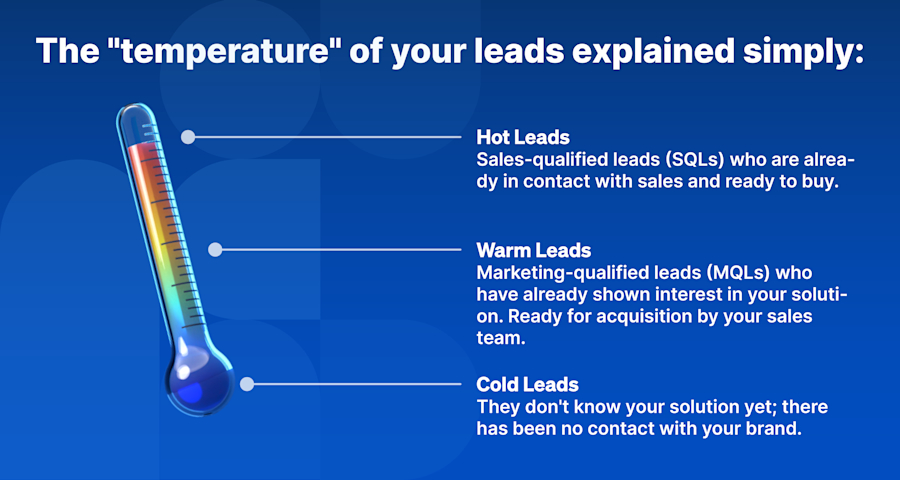
Here, you’ll apply segmentation based on behavior and interests. This allows you to create targeted campaigns that resonate with each segment. It’s up to you how you choose and name your segmentation, but a simple example would be:
Hot Leads: These visitors show the strongest intent, you might be looking for those who have registered for a demo, visited the pricing page and visited multiple times in a week. These leads should be flagged as high-priority for immediate follow-up. An additional step here, when picking only the hottest leads, would be filtering your list by companies whose buying committee members you have connections with. This is an extra solid reason to reach out as soon as possible.
Warm Leads: These are visitors with medium intent; they might be further along in the educational content consumption stage. Placing them into a lead nurturing campaign would be a good step here. They may not have an immediate need for your product or service, but you can start building their trust and interest.
Cold Leads: These visitors may meet only one or two low-priority signals, so while they fit your firmographic profile, they might have visited only a few less-targeted pages once or twice over a longer time frame. They can be placed in a long-term nurturing process to gradually increase their interest.
3. Craft personalized messaging
You know your intent signals and your audience. Now’s the time to create personalized messaging. The insights from your intent data help you determine exactly what you need to say to meet your prospects' needs and interests. You could do this in several ways:
Address specific pain points: Explain how what you can offer addresses and even solves the challenges they’re facing.
Reference their behavior: Talk about certain actions they took on your website to show you understand the journey they’ve been on so far.
Offer relevant content: Share additional resources that align with their stage in the buying process.
4. Optimize your outreach timing
We mentioned earlier that knowing your prospects' activities enables you to reach out at the right moment in their decision-making journey. By applying your segmentation, you can put your resources to best effect to determine the optimal time to reach out to your prospects. This could be either:
Immediate follow-up: Your hottest leads are ready to hear from you. Once they meet certain intent signals, it’s time to reach out with follow-up calls or emails.
Scheduled outreach: Your warm and cold leads don’t warrant direct communication at this point. A smarter way to develop these leads is through planned outreach nurture campaigns after they take specific actions, such as downloading a paper or attending a webinar.
5. Analyze and refine your process
What works on day one might not work on day 100. You need to continually analyze the effectiveness of your outreach efforts. Then you can refine your strategy based on the insights gained. This could be choosing stronger intent markers or different ones altogether. A/B testing can help determine what works best and enable you to adapt quickly.
6 strategies for leveraging B2B buyer intent data
Now that you’ve defined your process, there are, of course, many different ways to leverage this intent data. In this section, we’ll look at 6 strategies you can apply.
1. New business
The most obvious strategy for intent data is to acquire new business. You can use this information to identify new companies that are interested in you and apply the correct outreach sequences from here based on how hot or warm a prospect they seem to be. For example, you may look out for companies visiting the pricing page of your website as a key intent signal for whom to target.
This process becomes even easier if your website visitor data is also synced to your CRM. You’ll be able to identify if a company is already on your radar or not, and if there are any open or lost opportunities.
2. Customer cross-selling and up-selling
Intent data isn’t just for new business. It can be a highly valuable part of your retention and upsell strategies. The more aware you are of your existing customers' activities, the better customer success service you can provide them. For example, you may see visitors from a company that has purchased product 1, viewing pages or downloading documentation about product 2. If you know your customers are investigating certain products, reach out and share additional helpful resources.
3. Informed content marketing
Use the intent data you’ve gathered from your website visitors to inform your content strategy. If no one is reading certain topics you’ve spent a lot of resources on, analyze why this might be. Are they not finding it, does the format not work for the topic, or is it simply not what your audience wants? Use the research to develop content that aligns with what your target audience is consuming.
4. Renewals
You can use intent data as part of your churn avoidance strategy. Being aware of which customers are visiting downgrade or cancellation pages lets you get ahead of potential problems and mitigate risk before it escalates to customer loss.
5. Closing open pipeline
Your sales team can use intent data to enhance their conversations with prospective accounts. They can tailor their pitches and guide conversations by understanding their prospects' specific interests. This leads to more meaningful interactions and can increase satisfaction throughout the process and boost conversion rates.
6. Reactivate lost opportunities
Website visitor data can show you when lost deals or churned customers return to your site. This gives an opportunity to re-engage and follow up on why they might have decided to come back. There could be many reasons, from a poor experience with the competitor they ultimately went with to an increase in budget that allows them to reconsider or reactivate your product or solution.
How to identify website visitor intent data with Leadfeeder
So far, we’ve covered how to integrate your web visitor intent data into your outreach strategy and how to leverage this first-party data. But we haven’t covered what tools you can use to source your website visitor data. There are many out there, including Leadfeeder, our long-established, highly regarded web visitor identification product.
Leadfeeder identifies the anonymous companies visiting your website. Its set of core features enables you to make the most out of knowing who is visiting your website.
1. Extensive filtering features
Leadfeeder’s 50+ filters enable you to segment your visitors by creating custom feeds. These filters can be mixed and matched to create feeds that both profile the visiting company and highlight buying intent. You can filter by behavior, acquisition, company info, Leadfeeder activities, CRM activities, and email marketing integrations.

Screenshot: The filtering categories available when creating a Leadfeeder custom feed
2. Real-time alerts
Leadfeeder’s built-in notification and alerting options ensure you never miss an opportunity again. By setting up an email or Slack notification on a feed you’ve created, you’ll know exactly when certain companies are visiting your website or taking a specific action.
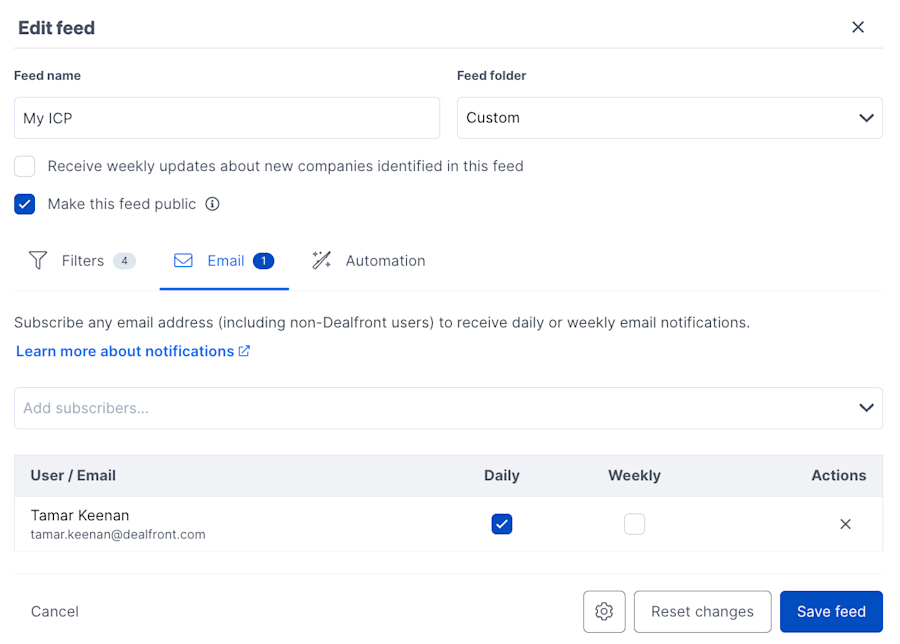
Screenshot: A custom feed in Leadfeeder with an email notification set up
3. CRM Integration
The Leadfeeder platform integrates with several leading CRMs. You can use this integration in Leadfeeder to both add newly identified companies to your CRM and track the activity of your existing opportunities and customers.
You get the full picture of where each company in your pipeline is and can ensure your team is as informed as possible. You can also use CRM integration to follow your lost opportunities and former customers. Maybe it’ll be second time lucky!
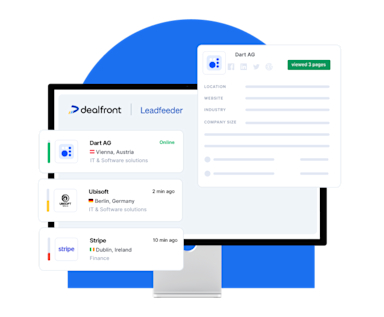
Your website visitors are already showing intent.
Leadfeeder identifies which companies they work for, what they looked at, and when to reach out -- then gives your team the contacts to follow up with. Trusted by 15,000+ B2B teams. Try it free.
Start Discovering NowTake your outreach strategy to new heights with web visitor intent data
In this article, you’ve discovered how to build an actionable process for using your web visitor intent data to best effect, and explored several strategies for how to use these valuable insights in your outreach.
Knowing how to successfully leverage web visitor intent data is a game-changer for sales and marketing professionals. By understanding your website visitors' actions and behaviors, you can stay ahead of the competition and create personalized, highly targeted outreach strategies that drive both engagement and conversions.
We're committed to helping you unlock the full power of your web visitor intent data to achieve remarkable results.
Ready to take your outreach strategy to the next level? If you’re not already a Leadfeeder user, sign up for a free 14-day trial in minutes. You’ll find everything you need to know about getting started with Leadfeeder in our dedicated Help Center Collection.