60-Second Summary
Email remains one of the most effective channels for B2B lead generation and revenue, but generic opt-ins and B2C tactics underperform in complex sales cycles. Focus on value-first capture methods, better form fields and behavior-based triggers, and use company-identification tools to turn anonymous visitors into qualified leads.
Key takeaways: B2B email capture works best when you offer unique, problem-solving assets (original research, templates, tools, webinars), ask for role/team info to qualify leads, and trigger forms based on behavior to target higher-intent visitors.
Standout strategies & tactics: Publish original data/reports, offer actionable templates, deploy chatbots to qualify and segment, build free tools or freemium flows, use triggered popups and bottom-of-post opt-ins, and host or sponsor webinars for qualified signups.
Real-world lessons & frameworks: Always capture role/team alongside email to boost sales relevance; prioritize assets that solve immediate pain points; score leads using webinar engagement and behavior; and use tools like Leadfeeder to identify anonymous company visitors and feed sales outreach.
*This summary was created with AI assistance, using our original content.
Email marketing remains one of the most effective channels for generating leads, building brand awareness, and driving revenue growth. But many businesses still rely on outdated tactics or apply B2C strategies that don’t perform well in a B2B setting, which limits results.
Basic methods like sidebar sign-up forms and generic newsletters are no longer enough to grow your list consistently. Here’s how to capture email addresses from website visitors and why it remains a critical strategy in B2B marketing.
Note: Leadfeeder helps identify companies that visit your website, even if they don't leave their email address. Sign up for a free trial and find out who is visiting your site.
1. Offer data or unique reports for lead capture
Every day, billions of emails are sent around the globe. So, how do you collect email addresses when everyone is overloaded with emails?
By offering something unique and original. Perform your own research and offer the results to your audience from an email capture landing page. For example, what strategies are growing in popularity in your industry? Are there new technologies on the rise?
Could (anonymized) internal data about your customers provide insights to the industry as a whole? In addition to helping you gather leads, unique research can attract backlinks, which can support your SEO and content marketing efforts.
2. Provide useful templates and guides in exchange for email info
People don't want to hand over their email addresses for another newsletter. Most of us have overflowing email inboxes already.
Instead, offer access to a unique template or guide that makes their job easier.
At Leadfeeder, we know many sales teams struggle to send effective cold emails, so we created cold email templates based on the most effective emails our own sales team uses.
But a useful template isn't the same as a ready-to-buy lead. As George Coudounaris, co-founder of The B2B Incubator, puts it:
"More often than not, you'll be sorting through people who don't want to speak to you, don't even remember downloading the resource, and certainly aren't ready to book a meeting or to buy from you right now." - George Coudounaris, The B2B Incubator
One of the most important email capture best practices is that the form matters as much as the asset. Ask for a job title or team focus alongside the email, and you'll get a list that's far more useful to sales.
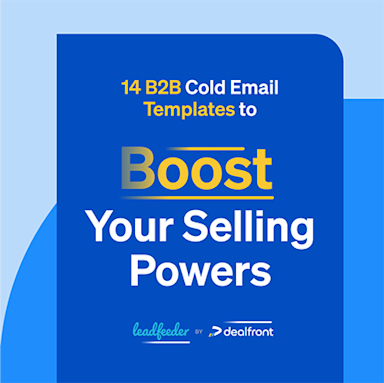
Get Your Cold Email Templates
Download all the cold outreach email templates so you can reference them whenever you need.
DownloadBy solving a problem our customers have, they're more willing to share their email addresses so we can build a relationship with them.
3. Use live chat or chatbots to capture emails (and qualify leads)
Live chat and chatbots aren't just for answering questions. They can also be used for lead generation and nurturing.
Use a chatbot or live chat to ask people what type of information they are looking for so you can segment them into the appropriate funnel.
For example, if you target both sales and marketing teams (as we do at Leadfeeder), ask which applies to each team.
Use this information to answer their questions or direct them to the appropriate resources. Then, ask for their email address. You'll capture more email addresses, segment your list, and improve customer service all in one step.
4. Create a free tool (or free version of your platform)
The average office worker receives more than 120 emails a day. It's hard to keep up! This is why it's getting harder to collect email addresses — even if you offer something valuable like a report or templates.
Another strategy is offering a free tool or a free version of your platform in exchange for email addresses.
For example, we know that calculating cost per lead is a struggle for many of our customers. So, we built a tool that does it for you:
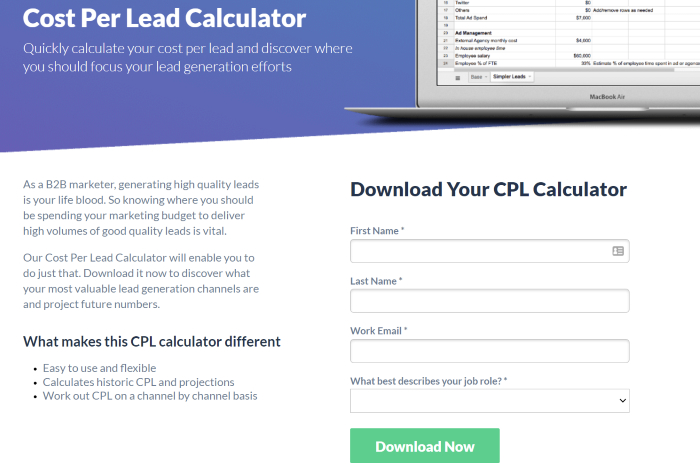
In addition to asking for an email address, we also ask for their job title, which helps us segment sign-ups based on industry or position.
5. Use a triggered email capture popup to attract newsletter subscribers
There's a good chance you already have a form on your website to collect newsletter subscribers. (At least I hope so!)
Another way to attract subscribers is a triggered pop-up. For example, you might have a page appear after they've read two blog posts or spent 3 minutes on your website.
Using a trigger based on user behavior means you collect email addresses from users with a higher intent to purchase — making your email marketing even more effective.
6. Host (or sponsor) webinars
Webinars are an ideal way to collect email addresses from qualified leads. A webinar signup lead is a little more serious than asking everyone who visits your site to sign up.
They're willing to sit through a webinar because they have a problem they want to solve. If your business can help them solve it, they're more likely to listen and trust you later.
According to an ON24 study, 99% of marketers say webinars are key to their plans, with 72% reporting a direct impact on pipeline and revenue. Why?
Because webinars don't just provide you with email addresses. You'll also get access to audience insights, such as watch times and the common questions your audience members have.
Don't have the bandwidth to host your own webinar? Consider sponsoring a webinar with an industry news source or a related company. You'll have the chance to reach a wider audience and capture emails.
7. Publish authoritative blog content and add an email capture form at the bottom
Authoritative blog content can help you collect email addresses from customers with a high intent to purchase, especially if you post the request at the bottom of posts.
If they see the form, there's a good chance they've already read your entire post and are engaging with your brand. Here's one of my favorite email capture examples, from WebFX:

Note how they ask how often they want to receive emails, which helps reduce unsubscribes. Other than that, the form is simple and easy to fill out.
Most blog platforms, like WordPress, make it easy to add a simple opt-in form to the bottom of pages using plugins. The best email capture tools also offer access to additional insights, data, and tracking options.
8. Use contests or giveaways
Contests and giveaways are a popular email collection tool for B2C businesses — but they can work in B2B, too.
Rather than offering a free gift basket or movie tickets, think about what your customers really want or need.
For example, you might offer a free one-year subscription to your tool, a free consultation with your marketing team, branded merchandise, or even an Amazon gift certificate.
Why email capture (still) matters for B2B
In digital marketing, there's one thing that stays the same — everything changes. Google updates its core algorithm several times a year, third-party cookies are on the chopping block, and don't forget, AI is taking over.
What doesn't change is the importance of email capture. In fact, three-quarters of marketers say the effectiveness of their email marketing is improving or holding steady.
That is especially true for B2B companies. Why? Because we have longer marketing funnels, for starters. We also have to engage with more decision-makers.
Doing that without direct access to leads is near impossible. With email, you own the connection. You don't have to rely on Google Ad targeting or wait for them to see your clever LinkedIn post. If you collect email addresses, you can nurture leads directly, with no middleman.
Identify hidden site visitors with Leadfeeder
Despite your best efforts, not every visitor to your site will fill out your email form. The good news? You don't need them to.
With Leadfeeder, you can identify companies that visit your website — even if they don't fill out your forms. Using IP and domain data, we identify hidden site visitors and track their on-site behavior to keep your marketing and sales funnel moving forward.
Note: Sound good? Try Leadfeeder free for 14-days.