60-Second Summary
Ad personalization uses user traits and behavior to deliver more relevant ads and improve ROI when executed thoughtfully. This summary explains the benefits and risks, plus practical ways to use Leadfeeder data to make personalization effective without feeling creepy.
Key takeaways: Personalized ads can substantially increase ROI and engagement (many advanced users report strong returns and 72% of consumers prefer personalized messages), but they risk alienating audiences if perceived as intrusive; balance precision with privacy and consent.
Standout strategies & tactics: Use dynamic and AI-driven ads, demographic and direct personalization, and prioritize high-intent signals — target by pages visited, industry, and company size; test broad vs. narrow audiences, favor first-party data, and avoid overly specific messaging that feels like stalking.
Real-world lessons & frameworks: Prioritize high-intent accounts, align marketing and sales with shared Leadfeeder insights, retarget only engaged companies (e.g., pricing/product page visitors), and reduce wasted spend by segmenting by intent; always build trust, be transparent about data use, and follow privacy best practices.
*This summary was created with AI assistance, using our original content.
This article will explore what ad personalization is, the pros and cons, and how to leverage this strategy without being creepy.
If you are a Leadfeeder user, we'll also share how Leadfeeder data can make your ad personalization more effective. Even if you don't use Leadfeeder, there's lots of great info you can use to improve your marketing efforts.
Note: Leadfeeder identifies the companies that visit your site and shows you what pages they visit. Businesses can use that data to inform sales and ad personalization efforts. Get your free, 14-day trial now.
What is ad personalization?
Ad personalization is an advertising strategy that uses personal traits and historical behavior to create more personalized advertising messages. The intent is to deliver more relevant ads to users and increase ad ROI by only targeting the most qualified online users.
There are many ways to personalize ads. For example, you can target users based on:
Geographical area
High buyer intent
Demographics, such as age, income, and family status
Historical behavioral patterns (for example, purchase history)
Ad personalization isn't a new strategy — brands have targeted users based on demographic and behavioral information for years. For example, on Facebook, you can target users within a 10-mile radius of your business or those who have liked your posts.
However, what has changed is how users interact with personalized ads and the data businesses can access about their audiences.
Dynamic ad personalization and other types to consider
Ad personalization helps brands create hyper-relevant advertisements that stand out. However, there are multiple ways to use ad personalization, and some may be more effective for certain types of businesses.
Here are a few common types to consider using:
Dynamic personalization: Ad copy or images are adjusted based on user behavior or search queries.
Automatically optimized ads: This is AI-driven ad personalization, where ad platforms automatically adjust ads to show the most successful ad to more users.
Demographic personalization: Automatically tailor ads based on demographic information, such as location, age, gender, etc.
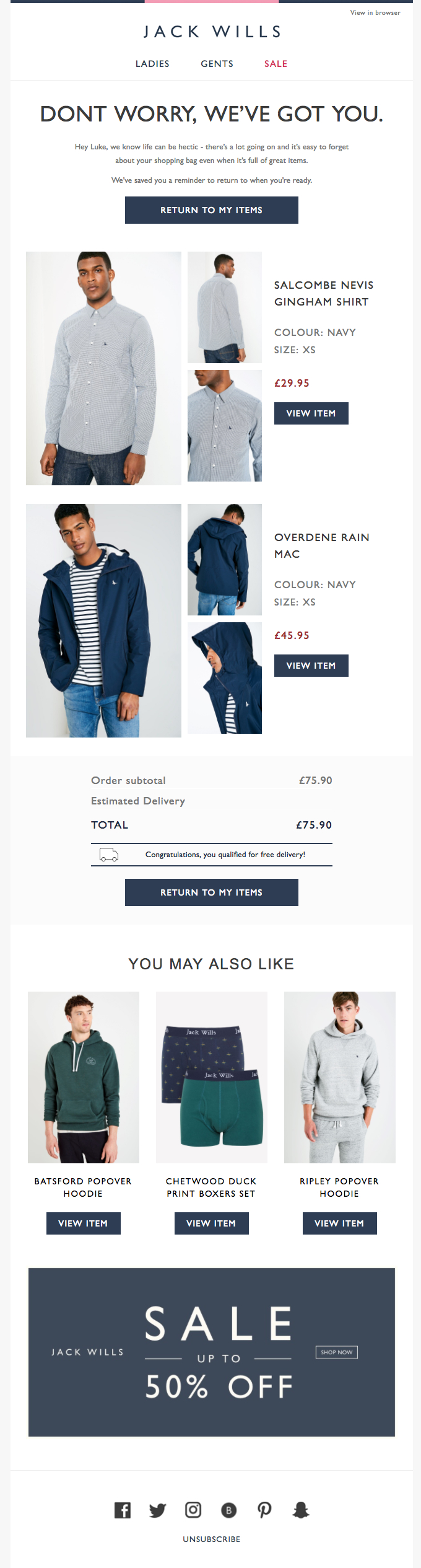
Direct personalization: Personalized ads that use first-party data about a specific user. For example, when ads use your name or say "you left this item in your cart!"
What are the benefits of ad personalization?
Ad personalization takes ad targeting a step further. Rather than showing ads to users based on where they live or what politicians they follow, ad personalization allows you to better understand who users are and deliver more relevant ads.
Let's look at the benefits of ad personalization in more detail.
Higher ad ROI
In general, personalized ads have a higher ROI. Actually, 70 percent of marketers using advanced personalization are seeing 200% ROI — wild, right?. That's because you can target extremely precise audiences.
Rather than targeting all men over the age of 35 who work in finance, for example, ad personalization lets you target C-suite level employees in finance at enterprise companies with more than 100 employees who are looking for a solution you offer.
And when you aren't wasting money reaching less-qualified prospects, you spend less on each ad.
Consumers prefer personalized ads
In addition to being more effective from a conversion standpoint, consumers actually like personalized advertising. In fact, 72 percent of consumers say they will ONLY engage with marketing messages when they are personalized. Why not give people what they want?
Even better, users are willing to share data about themselves to allow businesses to deliver more personalized ads and content.
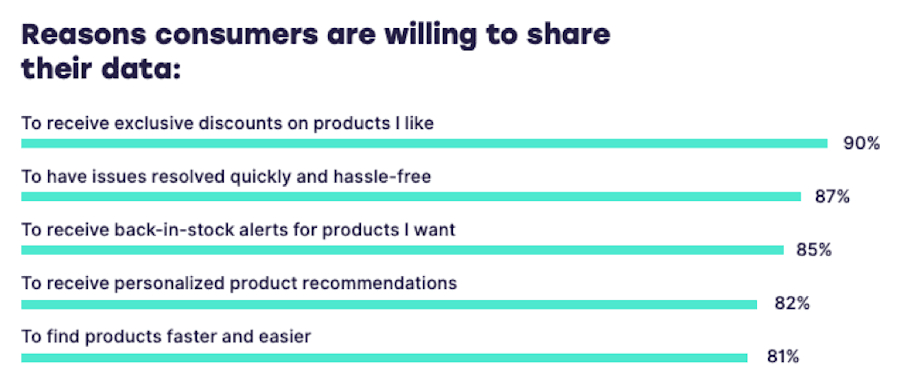
Image source: Smart Insights
What are the cons of ad personalization?
Despite the benefits, there are some cons of ad personalization. While most of these cons can be mitigated, it's worth considering the drawbacks before you go all-in.
The creep factor
Some consumers are (rightfully) wary about how much data search engines and other companies collect about them. Especially considering how many leaks and data breaches we've seen in recent years.
Sam O'Brien, VP of Marketing at Leadfeeder, puts it bluntly: "Since we've been using digital marketing tools and tracking people, it's the equivalent of digital stalking. You really want to build trust before you ask for the sale."
As a result, some users are creeped out by ads that follow them across devices, even wondering if their phones and tablets are listening to their conversations and using that information to target ads.
Ad personalization that is too personalized can backfire, so use this strategy carefully.
They don't always work
Some users turn off ad personalization, making it harder to reach them. If you rely solely on personalized ads, you may never reach users who don't like them.
Plus, if your ad targeting is off, you could see a huge drop in conversions. Say, for example, you think enterprise companies in robotics will like what you have to offer, so you target those users using very personalized ads.
If your ads don't resonate with that group, you get no conversions at all. With a broader ad, you might reach some interested people, even if they don't fit your precise target audience.
How Leadfeeder data improves ad personalization
Ad personalization becomes far more effective when you move beyond anonymous traffic and start understanding exactly which companies are engaging with your website. This is where Leadfeeder data gives you a clear advantage.
Instead of relying solely on cookies or broad audience segments, Leadfeeder identifies the companies visiting your site, the pages they view, and how they interact with your content. This allows you to build more accurate and high-intent audiences for your ad campaigns.
Here are a few ways Leadfeeder helps improve your ad personalization efforts:
Identify high-intent companies: See which businesses are already showing interest in your product or service, and prioritize them in your targeting.
Create more precise audience segments: Group visitors based on behavior, industry, company size, or pages visited to deliver more relevant ads.
Improve retargeting campaigns: Instead of retargeting all visitors, focus on companies that have shown meaningful engagement, such as those who have visited pricing or product pages.
Align marketing and sales efforts: Share insights with your sales team so both teams target the same high-value accounts with personalized messaging.
Reduce wasted ad spend: By focusing on qualified companies, you avoid spending budget on low-intent or irrelevant audiences.
By combining Leadfeeder data with your existing ad platforms, you can create more targeted, relevant, and effective campaigns. The result is better engagement, higher conversion rates, and a stronger return on your advertising investment.
Next steps for smarter, real-time ad personalization
Ad personalization can be a powerful way to reach the right audience, increase engagement, and drive conversions. However, it comes with challenges, including privacy concerns, limited tracking, and the risk of over-targeting. The key to success is using the right data to make your campaigns relevant, timely, and effective.
With Leadfeeder, you gain actionable insights into which companies are visiting your website, what content they engage with, and how ready they are to take the next step. By combining this data with your ad personalization efforts, you can target high-intent prospects more accurately, reduce wasted ad spend, and improve overall ROI.
Note: Ready to give Leadfeeder a try? Sign up for a free 14-day trial and make ad personalization more effective.