

60-Second Summary
This article breaks down B2B customer acquisition from initial contact to closed deal, emphasizing continuous acquisition, cross-team alignment, and the right digital tools. It outlines channels, legal pitfalls, and a practical five-step framework to find, engage, and convert ideal customers.
Key takeaways: B2B acquisition requires continuous effort, clear ICPs and buyer personas, a mix of inbound and outbound channels, and tight coordination between sales, marketing, and customer success to prevent churn and sustain growth.
Standout strategies & tactics: Combine CRM and sales automation (HubSpot/Salesforce), website intelligence (Leadfeeder), scheduling (Calendly), e-signatures (PandaDoc/DocuSign), and video tools (Loom); prioritize LinkedIn social selling, trigger-event outreach, personalized pitches, and content/SEO for inbound demand.
Real-world lessons & frameworks: Follow the five-step framework—define ICP, test multiple tactics, use trigger events, target similar companies with AI, and be fully prepared with tailored sales questions and 360° profiles; speed and relevance win deals.
Measurement & compliance: Track CAC, ROAS and conversion rates to balance spend across channels, and ensure region-specific compliance (e.g., EU double opt-in and opt-outs) when using email and social outreach.
*This summary was created with AI assistance, using our original content.
In this article, we’ll show you everything you need to know about customer acquisition, including some tips and tricks to help secure new business, improve your conversion rate, and identify the best customer acquisition channels. Let’s get started!
What is New Customer Acquisition?
New customer acquisition refers to all the efforts you make to gain paying customers. It includes your entire B2B customer acquisition funnel and the full customer journey, from initial contact to deal closure. In the B2B space, this often involves generating leads through multiple channels, such as social media and pay-per-click (PPC) platforms like Google Ads.
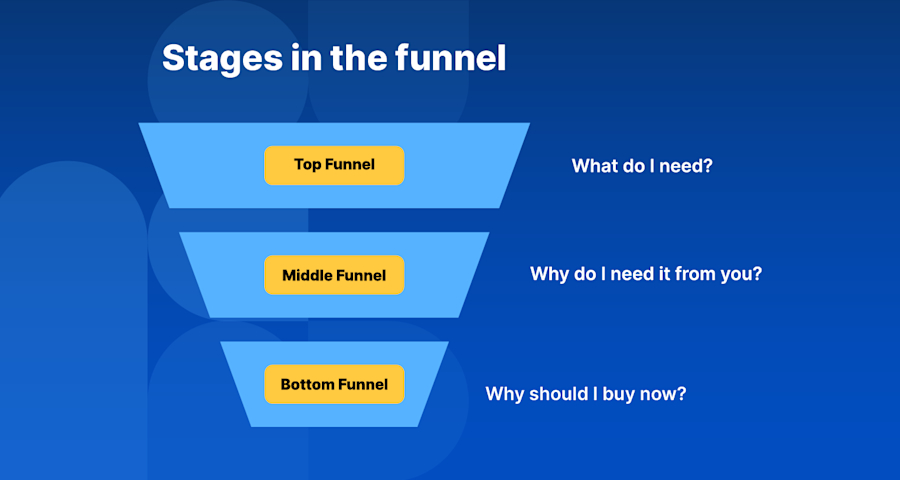
There’s no way around it: you’ve got to stay on top of your game to bring in new customers. There will always be customers who don’t stick around, whether due to changes in decision-makers, their needs, or other factors.
Even if your services are top-notch, occasional customer churn is inevitable. That’s why continuous new acquisition and consistent customer communication are essential to prevent your B2B customer base from shrinking or worse, disappearing.
Remember: new clients don’t just replace the ones you lose, they also bring additional growth potential through cross-selling and referrals, which can also help improve your customer lifetime value (CLV).
New clients don’t just replace the ones you lose, they also bring additional growth potential through cross-selling and referrals, which can also help improve your customer lifetime value (CLV).
How is B2B Customer Acquisition Different from B2C?
Customer acquisition differs significantly between B2B and B2C. For B2B companies (such as business SaaS providers, professional service providers, or commercial logistics firms), the focus is on building personal relationships and engaging in close communication with the right stakeholders and decision-makers.
Meanwhile, for B2C companies (such as consumer retail and e-commerce companies), the end consumer rarely receives one-on-one attention.
There’s a good reason for this. In B2B, products are usually more expensive, and both parties are interested in a long-term partnership. This means potential clients often do extensive research through trade shows, product demos, or trial versions before making a decision.
In contrast, B2C products compete for consumer attention directly in retail, often through eye-catching designs or social media advertising, such as Facebook ads. It’s also worth remembering that B2C prices are generally lower.
The Best Digital Tools for Acquiring New Customers
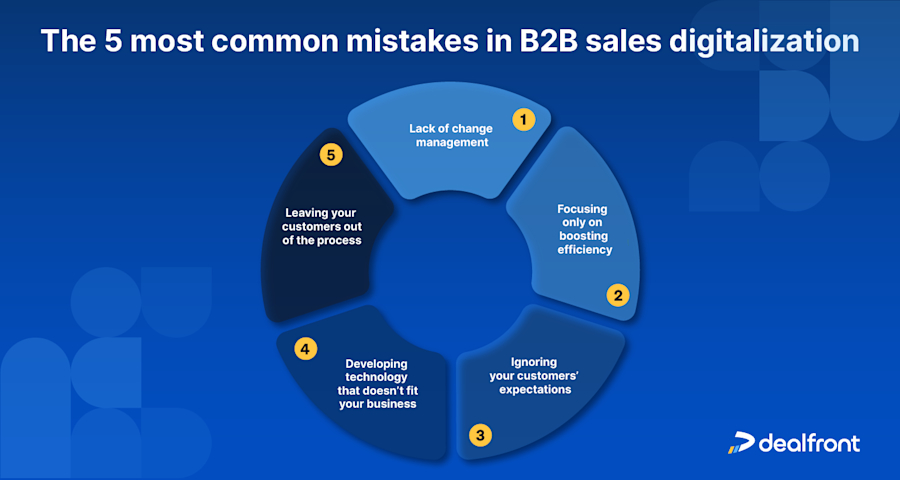
B2B sales cycles are increasingly taking place online, which sometimes makes it more challenging to acquire new customers. Potential customers are better informed and have higher expectations than in the past.
Since buyers can easily find all the information they need online and compare offers, they expect you to be equally up to date. This means not only digitizing your sales process but also supporting as many manual tasks as possible with the right tools, including:
CRM systems, like HubSpot or Salesforce
Appointment scheduling tools, like Calendly
Prospecting tools, like Leadfeeder's Companies
Lead generation tools, like Leadfeeder
Data cleansing and enrichment tools, like Leadfeedeer Datacare
Digital signature tools, like PandaDoc or DocuSign
Video-messaging and screen-recording tools, like Loom
The key is to first identify the areas where your team is spending the most time and resources, and then look for tools that can make your operations faster, more efficient, and more cost-effective.
3 Proven Ways to Customer Acquisition Methods
Most B2B sales teams rely on a mix of different acquisition strategies, but which acquisition efforts really pay off? How do you reach your new customer acquisition goals while balancing key metrics like customer acquisition cost and return on ad spend (ROAS)?
Below, we’ll show you 3 common methods for turning prospects into loyal customers, along with some tactics that you may want to avoid.
1. Customer acquisition by phone
Contacting potential customers is a classic customer acquisition method. Phone outreach (also known as cold outreach) is an opportunity for you to receive instant feedback from potential customers. It does require a lot of courage and effort, but it can be highly effective.
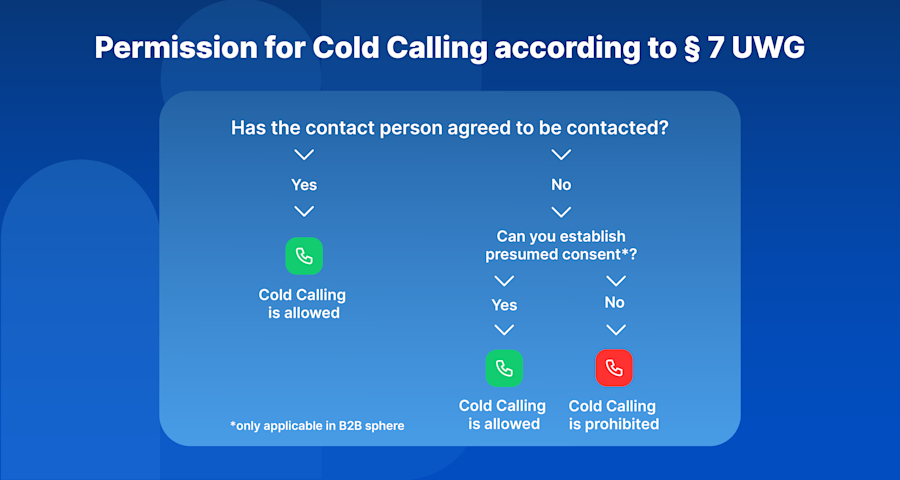
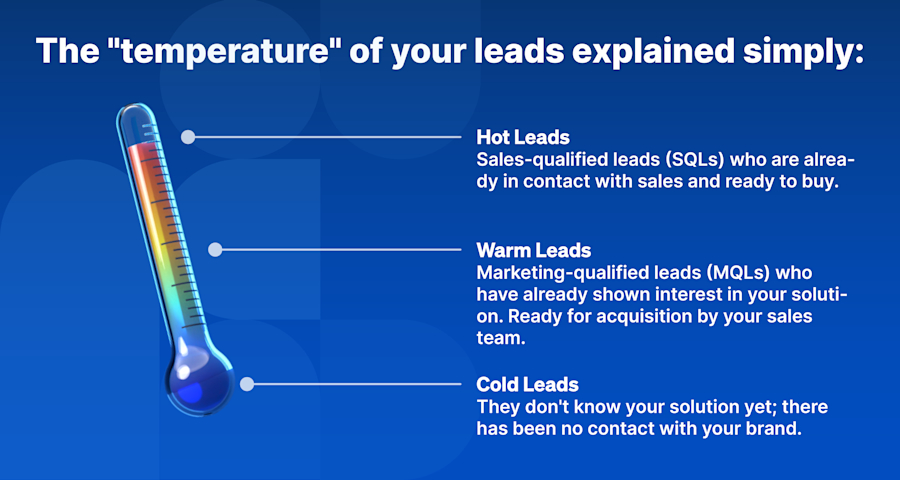
Many B2B sales teams conduct their own research and make cold calls to businesses that may have never even heard of their company or product. Others receive leads from their marketing team. These leads have usually had at least one initial touchpoint with your brand, so they’re not completely “cold” when you call them.
2. Customer acquisition by email
So, what about customer acquisition via email? This one can be a little trickier, as you may run into compliance issues, depending on the region you’re operating in.
In some regions, such as the EU, email is among the most regulated and challenging channels for new customer acquisition. Mass mailings, for instance, are a strict no-go in these areas! If you want to send someone a newsletter or sales email, you generally need the potential customer’s explicit consent.
That usually also requires a double opt-in process. So, even if you craft the most personalized email sales pitch, if the recipient has never interacted with you, they might flag your email as spam or worse, report you to local privacy protection authorities.
If you have obtained the customer’s email address through a previous business relationship and are now reaching out again (for example, for upselling or reconnecting with former customers), promotional emails can be permissible. Just be sure to include an easy opt-out option so customers can unsubscribe from future emails.
Looking for more resources on how to get ahead of your competitors and acquire more new customers? Check out our full selection of helpful go-to-market guides.
Essential Guide to Cold Calling & Emailing Laws in Europe
Stay compliant with European cold calling and emailing laws. Learn the rules for each country and best practices for B2B outreach.
Download now3. Customer acquisition via social selling
Acquisition through social media platforms like LinkedIn is currently one of the best ways to gain B2B customers. This approach is more about building your personal brand on these platforms and expanding your network rather than directly pitching products.
Just be sure to skip the bland direct messages and generic pitches. This approach to new customer acquisition is increasingly treated with the same caution as cold emailing in some regions, so it’s important to understand local regulations.
Plus, you always have to adhere to the social network's guidelines. The key is to showcase your knowledge so you attract a following and build trust.
A 5-Step Framework for the Best B2B Customer Acquisition Strategies
There are plenty of effective strategies for acquiring new B2B customers, but the key to success is always preparation. Try following the five steps below to make sure you don’t leave anything out of your B2B acquisition planning.
Step 1: Define your ideal B2B customers
Acquiring new customers starts with clearly defining your target group. Consider who your potential customers are, where there is demand for your solution, and which companies have the budget to afford it.
Start by creating an Ideal Customer Profile (ICP) and Buyer Personas. The ICP helps you identify target companies, while Buyer Personas pinpoint the specific employees within those companies you should focus on. Both are crucial for efficient sales efforts and effective marketing campaign planning.
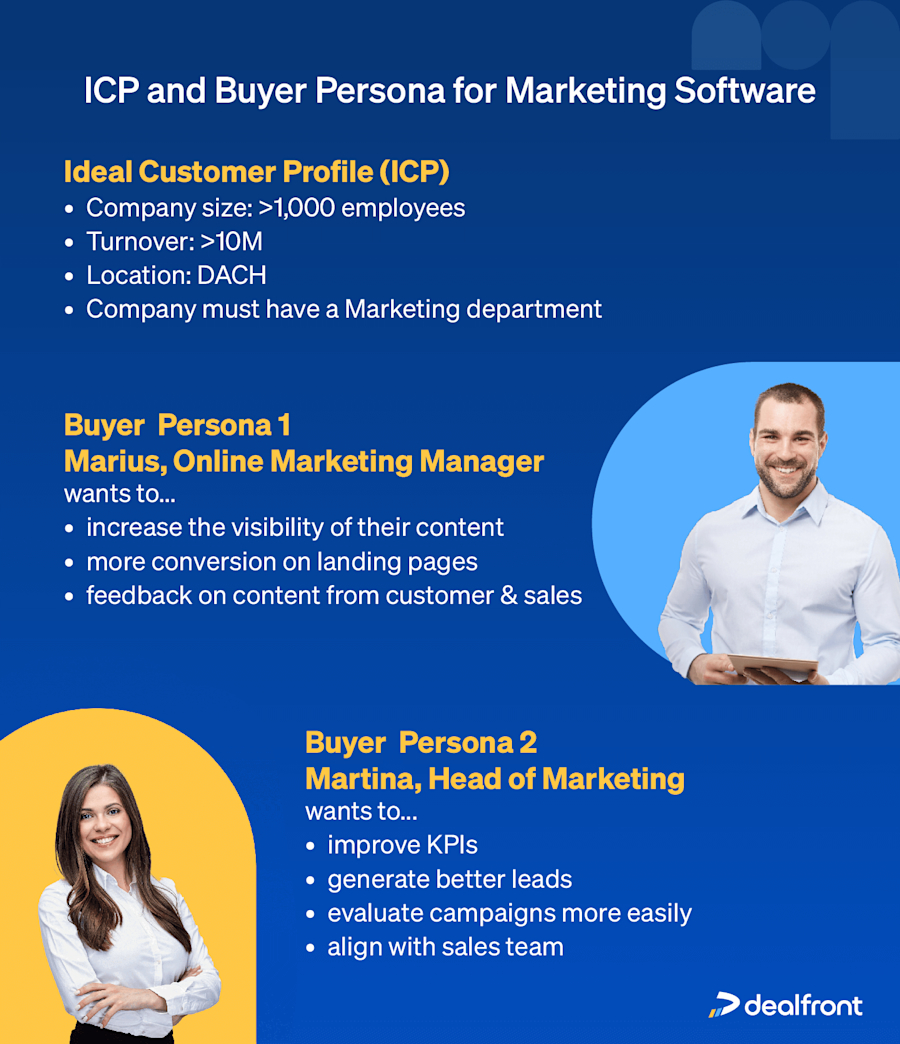
Without a well-defined target audience, you risk wasting time and resources by approaching the wrong companies and contacts. For example, if your company sells advanced marketing software, then there’s no point in reaching out to companies that don’t even have a marketing department.
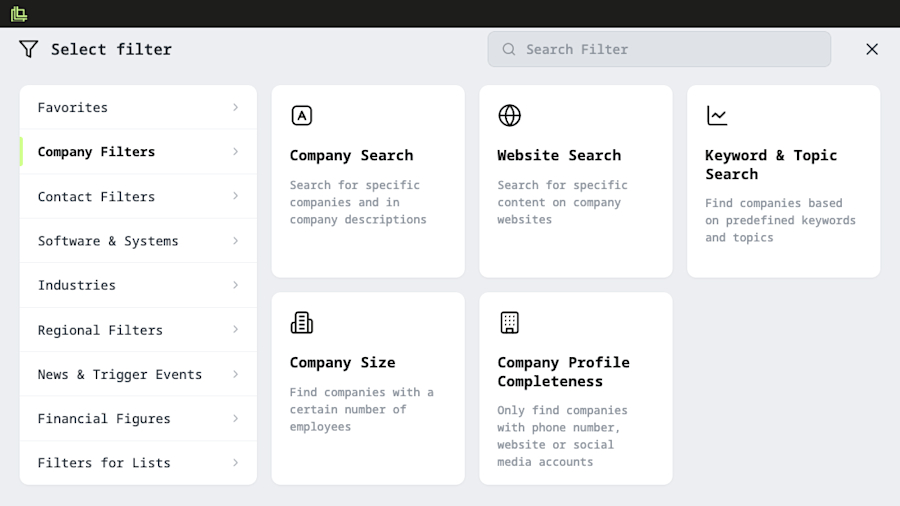
Tip: Use Sales Intelligence and prospecting tools to define your ICP. Tools like Leadfeeder let you create a target customer list with over 100 filters.
Use Sales Intelligence and prospecting tools to define your ICP. Tools like Leadfeeder let you create a target customer list with over 100 filters.
For example, narrow down your search by company size, revenue, location, the CRM system they use, specific keywords on their websites, and sales triggers like recent media coverage. You’ll instantly get a list of companies you can proactively target. Convenient, right?
It’s not always easy to define the ideal customer. To make matters more complicated, the market continually shifts, and your existing customers’ needs change over time. The key is to stay on top of the latest developments, so you can respond fast and adjust your acquisition strategy as needed.
Example from the logistics industry: A logistics provider designs storage solutions for businesses. In the past, their clients included small storage spaces for file folders. However, since digitalization has reduced the need for physical documents, these spaces are no longer needed.
As a result, the company’s target audience has shifted. To stay in business, the company now has to make up for lost revenue by acquiring new customers. That means they need to start redefining their target audience and expanding it to include new potential clients.
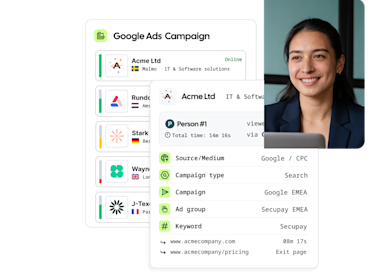
Reading great sales content is step one. Step two is knowing which prospects are already on your site and ready to talk.
Leadfeeder identifies the companies visiting your pages, surfaces their contact details, and feeds them directly into your CRM. Trusted by 15,000+ B2B teams. Try it free.
Start Sales ProspectingStep 2: Try different tactics for attracting new B2B customers
You’ll want to avoid “putting all your eggs in one basket.” Cold calling can certainly have its place in many areas of B2B sales. However, it’s time-consuming and requires a high volume of calls. Plus, there’s always the risk that your potential customer might find your outreach intrusive or annoying, which could shut down the conversation before it even begins.
This is why cold calling is classified as an outbound method—it’s more like barging in through the front door than it is about subtly attracting customers with valuable content marketing.
Recommended tool: Want an easier way to generate new, relevant B2B leads? With Website Traffic Intelligence tools like Leadfeeder, you can automatically see which companies are visiting your website and what they’re interested in. The tool even sorts these companies by relevance and sends them straight into your sales pipeline. Lead generation has never been easier!
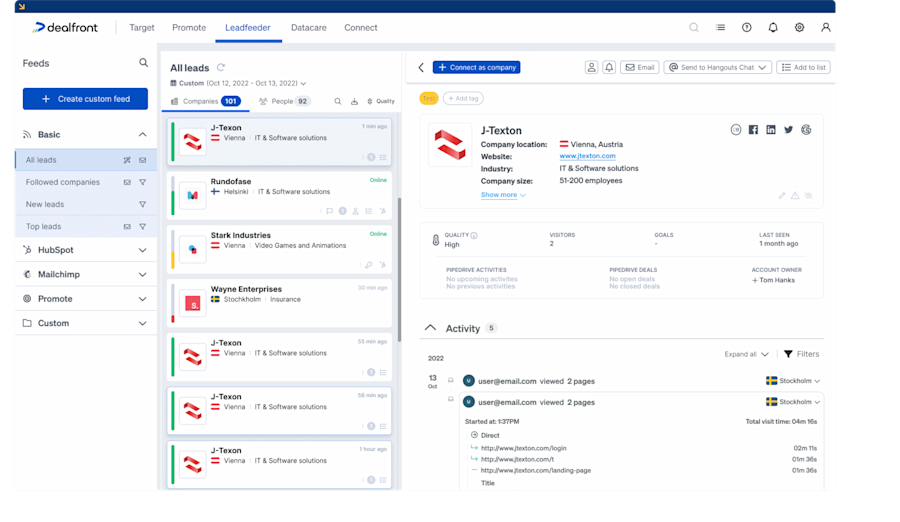
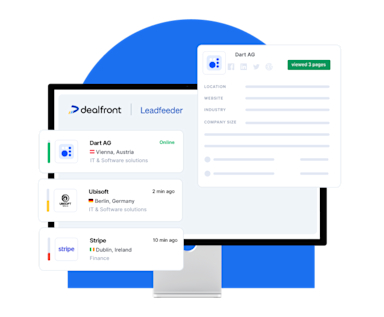
Your website visitors are already showing intent.
Leadfeeder identifies which companies they work for, what they looked at, and when to reach out -- then gives your team the contacts to follow up with. Trusted by 15,000+ B2B teams. Try it free.
Start Discovering NowInbound methods: Letting new customers come to you
Inbound methods are the polar opposite of cold calling. They’re all about drawing B2B customers to you naturally. This can be done by offering valuable information and helpful content, like webinars or blog articles.
When a potential customer has a problem, they’ll find your content—especially if you’re following best practices for search engine optimization (SEO)—and they’ll be more inclined to reach out to you directly.
New customer acquisition isn’t just a sales job! Your marketing team needs to be in the game, continuously working to attract your ideal clients. Push your brand on all the channels that matter to your target audience and optimize your website with compelling lead magnets.
Raising brand awareness on social media—like LinkedIn—or using video content can also help you reach a broader audience. Social media is also a goldmine for observing your target audience and buyer personas. What are they interested in? What are they posting about? Where are they leaving comments? The more information you have, the better your marketing strategy and sales activities will be.
The important thing is to strike a good balance between inbound and outbound methods and to stay consistent!
Example from the logistics industry: A logistics provider recently introduced an online tool that allows potential customers to design their own simple storage solutions. To support this, they offer industry-specific whitepapers and articles. This content attracts customers who are already interested or have specific needs, which makes the company’s sales process much easier and more efficient.
Step 3: Use trigger events to win new customers
Unless you’ve launched a one-of-a-kind product, you’re always up against competition. To land new customers or lure them away from rivals, you’ve got to stay one step ahead.
When a new opportunity arises, you can’t afford to waste time. You’ll need to proactively reach out to potential customers by addressing a timely event—such as an expansion, layoffs, or a management change relevant to your offer. When you bring these insights into your pitch, it shows you’ve done your homework and that you’re up to date on what’s happening in their world.
How do you get this information? The simplest way is with a tool that alerts you to trigger events—preferably one that sends notifications straight to your inbox or your preferred messaging app like Slack or Teams.
Example from the logistics industry: A logistics provider noticed that many of its new inquiries came from companies either planning a move or building new production and storage facilities. For them, it is extremely beneficial to use a tool like Leadfeeder, which sends them automatic alerts whenever relevant potential customers move or plan a new construction project.
Step 4: Look for similar companies
New customers might be closer than you think. Analyzing your existing customers can reveal hidden similarities. To simplify this process, use a tool with AI features to generate a list of similar companies based on your current customers or lead lists.
These similar companies can often be convinced with the same use cases, and you’ll have success stories and case studies ready to share. Testimonials from companies in your prospect's industry can greatly enhance trust.
Getting to know your existing customers better can also uncover new opportunities. You might discover cross-selling or up-selling potential you hadn’t considered! It doesn’t always have to be a brand-new company; sometimes your existing customers offer great potential for new business.
Example from the logistics industry: A customer who hires a logistics provider to design a new warehouse is likely to also need help moving all their freight and developing a logistics plan for the entire site. This is a great opportunity for the provider to expand their services—turning an existing relationship into a new one.
Step 5: Always be prepared
So, you’ve got your prospects all lined up—now your pitch needs to be perfect! You'll also want to prepare a list of powerful sales questions that keep the conversation going. Good preparation is the key to turning a prospect into a new customer.
It’s not about how much information you have, but how relevant and high-quality it is. Sure, you can find almost any company’s address, contact details, and even key contacts or recent press releases online. But are those details current and complete? Are you sure you haven’t missed anything?
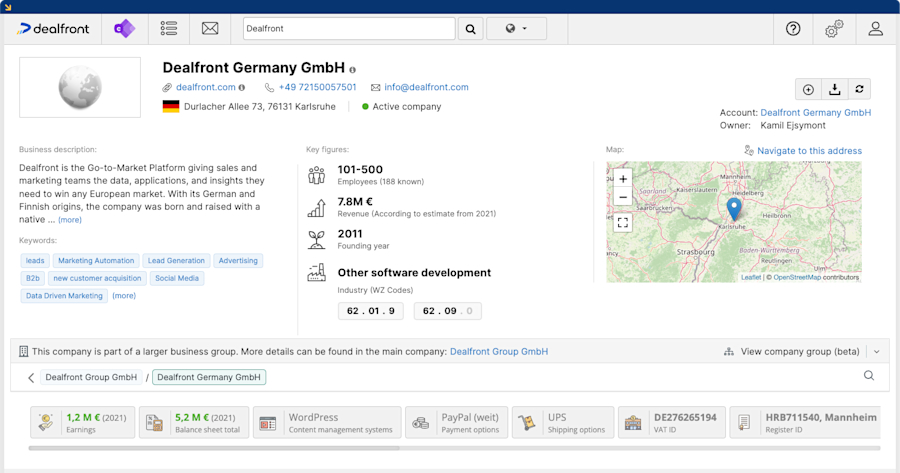
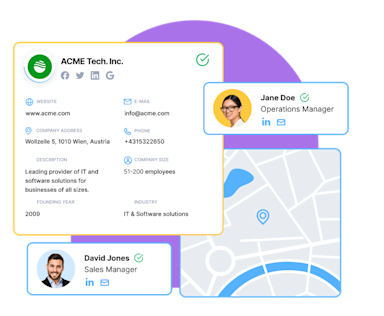
To save time during your research, we recommend using a support tool. With Leadfeeder Connect, you get access to crucial information like customer data, key contacts, and the latest news, all in a 360° company profile. This ensures you’re fully prepared to present a compelling case to your potential customer, highlighting the specific value you can offer them.
Less time on cold research, more time on warm accounts.
Leadfeeder identifies which companies are visiting your site, gives you their contact details, and tells you what they looked at -- so every conversation starts with context. Try it free.
Qualify companies fasterNew Customer Acquisition is a Team Effort
B2B customer acquisition is getting more complex and fast-paced. To stay ahead, everyone needs to be on the same page—sales, digital marketing, customer success, account management, and beyond.
You should also automate as many manual tasks as possible. Find the tools that can speed up your processes and make you more efficient. Once you’re using a smart CRM system, Sales Intelligence, and Sales Automation, you should start seeing a major boost in your productivity and efficiency.

Our checklist for use case-based selling
One of the biggest new trends in customer acquisition is use case-based selling. Check out our use case-based selling checklist to get started!
Download nowFAQs
What is customer acquisition?
B2B customer acquisition is the structured process of attracting, engaging, and converting other businesses into paying customers, typically involving longer sales cycles, multiple decision-makers, and a stronger focus on trust compared to B2C.
Rather than relying on a single tactic, B2B SaaS customer acquisition strategies combine marketing efforts like content and SEO with sales activities such as outreach and demos; for example, a SaaS company might attract a lead through a blog post, nurture them with email campaigns, and ultimately close the deal through a sales call, making it a coordinated system rather than a one-step action.
Which methods can I use to acquire new customers?
The most effective B2B acquisition channels generally include outbound methods like cold email and cold calling, inbound strategies such as SEO and content marketing, and social selling on platforms like LinkedIn. Still, their real strength comes from how they work together rather than individually.
Outbound can generate immediate opportunities, inbound builds long-term trust and attracts high-intent prospects, and social selling reinforces credibility throughout the buying process, which is why companies that integrate all three tend to create a more consistent and scalable pipeline.
How do I attract the right customers?
To attract the right customers, you need to clearly define your Ideal Customer Profile (ICP) and buyer personas so you know which companies to target and how to communicate with them effectively.
Your ICP focuses on firmographic details such as industry, company size, budget, and key challenges, while buyer personas explore the motivations, goals, and objections of the decision-makers.
For example, instead of targeting all SaaS companies, focus on mid-sized SaaS firms struggling with lead generation and tailor your messaging to address that specific problem. This approach helps you attract higher-quality leads, improve conversion rates, and avoid wasting time on prospects that are unlikely to convert.