60-Second Summary
Moz, founded by Rand Fishkin and Gillian Muessig, evolved from a consultancy into a leading Seattle-based SaaS provider of SEO and marketing analytics with a large global community. Rand attributes Moz’s early success to timing, an engaged community, and a self-service business model, and shares practical startup and SEO guidance.
Key takeaways: Early-mover timing, an existing content-driven community, and a self-service SaaS model drove low CAC, high margins, and fast revenue growth; later gaps included slow adoption of paid marketing and customer success.
Standout strategies & tactics: Leverage content, speaking, and relationships to build a loyal community; prioritize self-service early to keep costs low; use tools like SimilarWeb Pro to uncover competitor channels; don’t expect immediate ROI from organic channels.
Real-world lessons & frameworks: Map your audience and their influencers, treat organic marketing as a long-term learning process, adopt competitor traffic analysis to find high-opportunity channels, and invest in onboarding/customer success as the business scales.
Practical predictions & next steps: Expect tighter funding cycles favoring resilient startups; in SEO, watch Google’s increased SERP consumption, social signals’ indirect impact, and brand consolidation in winner-takes-all niches—follow Moz’s blog and Rand’s posts for deeper guidance.
*This summary was created with AI assistance, using our original content.
If you’re not familiar with Moz or Rand, here’s a short and essential intro to Moz the company and Rand the man, sporter of a delightful mustache.
Moz is a SaaS company based in Seattle, US, that sells subscriptions to inbound marketing and marketing analytics software. It was founded by Rand Fishkin and Gillian Muessig in 2004 as a consulting firm and shifted to software development in 2008. The company hosts a website that includes an online community of more than one million globally based digital marketers and marketing-related tools. During the period 2008 to 2011, Moz grew from $1.5 million to $11.4 million in revenue and continues to be among one of the most popular marketing tools in the space.
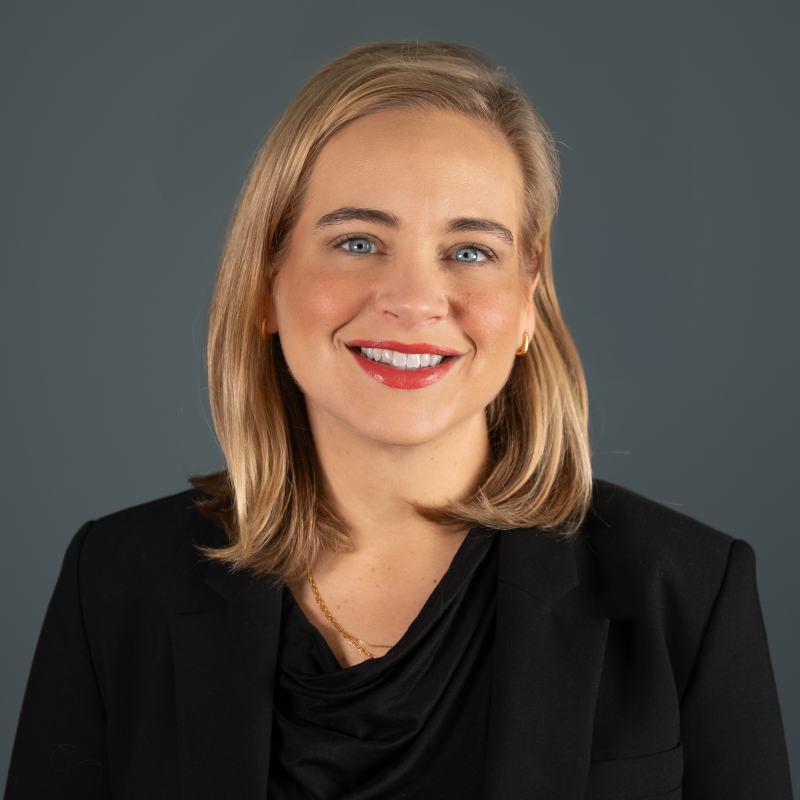
Rand Fishkin uses the ludicrous title, Wizard of Moz. He’s the founder and former CEO of Moz, co-author of a pair of books on SEO, and co-founder of Inbound.org. Rand’s an unsaveable addict of all things content, search, & social on the web, from his multiple blogs to Twitter, Google+, Facebook, LinkedIn, and a shared Instagram account. In his minuscule spare time, he likes to galavant around the world with Geraldine and then read about it on her superbly enjoyable travel blog.
I decided to contact Rand after he recently tweeted that Leadfeeder was an interesting tool. Here’s the full interview with all his incredibly useful answers.
Why do you think Moz became so successful?
I think there were three big keys to our early success:
1) Timing - we entered the SEO software/tools market as the industry was growing rapidly and during a time when Google and the other engines were hiding a lot of data (e.g., PageRank, the link: command, etc). There were a few large players in the tools space, and most of the software out there was very amateur and unpolished. We didn’t do a terrific job, but we did help raise the bar.
2) Our Community - Moz had a pre-existing community from my years of blogging, speaking, and building relationships, so we had lots of people cheering for us and helping amplify our brand. That made a huge difference in our early distribution and in keeping customer-acquisition costs very low.
3) Our Self-Service Model - most SaaS companies begin with salespeople and onboarding/customer success teams. Moz did not, and as a result, our gross margins were incredibly high, and we were able to maintain profitability without raising a lot of cash from investors. I think if we’d been more classically SaaS, we’d have been in big trouble in 2008 and 2009, when fundraising was incredibly hard. Note that later on, I think we were too slow to adopt customer success/onboarding as it became sensible for the business. I wish we’d invested in it sooner, but in our first few years, it was certainly advantageous to have such low costs.
What tips could you give early startups for their marketing activities?
1) Identify not only your target audience, but their influencers and what they consume – knowing where your audience is online, who they listen to, and what they read makes targeting vastly easier.
2) Don’t invest in organic forms of marketing (SEO, content, social, community, etc) the same way you do paid forms of marketing. The ROI takes vastly longer on organic, and there’s usually months or years of learning curve and trial-and-error before you find a groove. Those who give up too soon or who invest thinking there’s immediate ROI, like paid, are usually doomed to failure.
3) Look at your competition’s traffic sources using SimilarWeb Pro (a great tool) and see where they might be getting traffic that you’re not. Often, those are powerful channels to consider.
Thinking back to when Moz was early-stage, what would you do differently in terms of marketing (if anything)?
I think we ignored paid marketing for too long (we didn’t invest at all until 2010, and even then, ramped up very slowly). We probably missed out on some serious opportunities as a result.
What are your startup predictions for the next few years?
I think we’re entering another period of investor fear and hesitation. That’s usually when it gets much harder to raise money, much more difficult for unprofitable startups to survive, and when the next generation of truly impressive tech startups emerges (e.g., Google/Facebook/Salesforce also started in or near market down cycles).
And I have to ask you, as an SEO expert, what trends do you predict in SEO this year?
I wrote a post outlining my predictions for 2016: https://moz.com/blog/10-predictions-for-2016-in-seo-web-marketing. In particular, I think we’re going to see Google consuming more search traffic that used to go to organic web results, more influence from social networks on search results (though perhaps only indirectly), and more domination of search segments by big brands as certain sectors become “winner-takes-all” markets.
Any plans to visit Finland sometime soon?
Sadly, no, but I’d love to someday!
More content on analytics, sales, & analytics based sales coming up. Stay tuned!